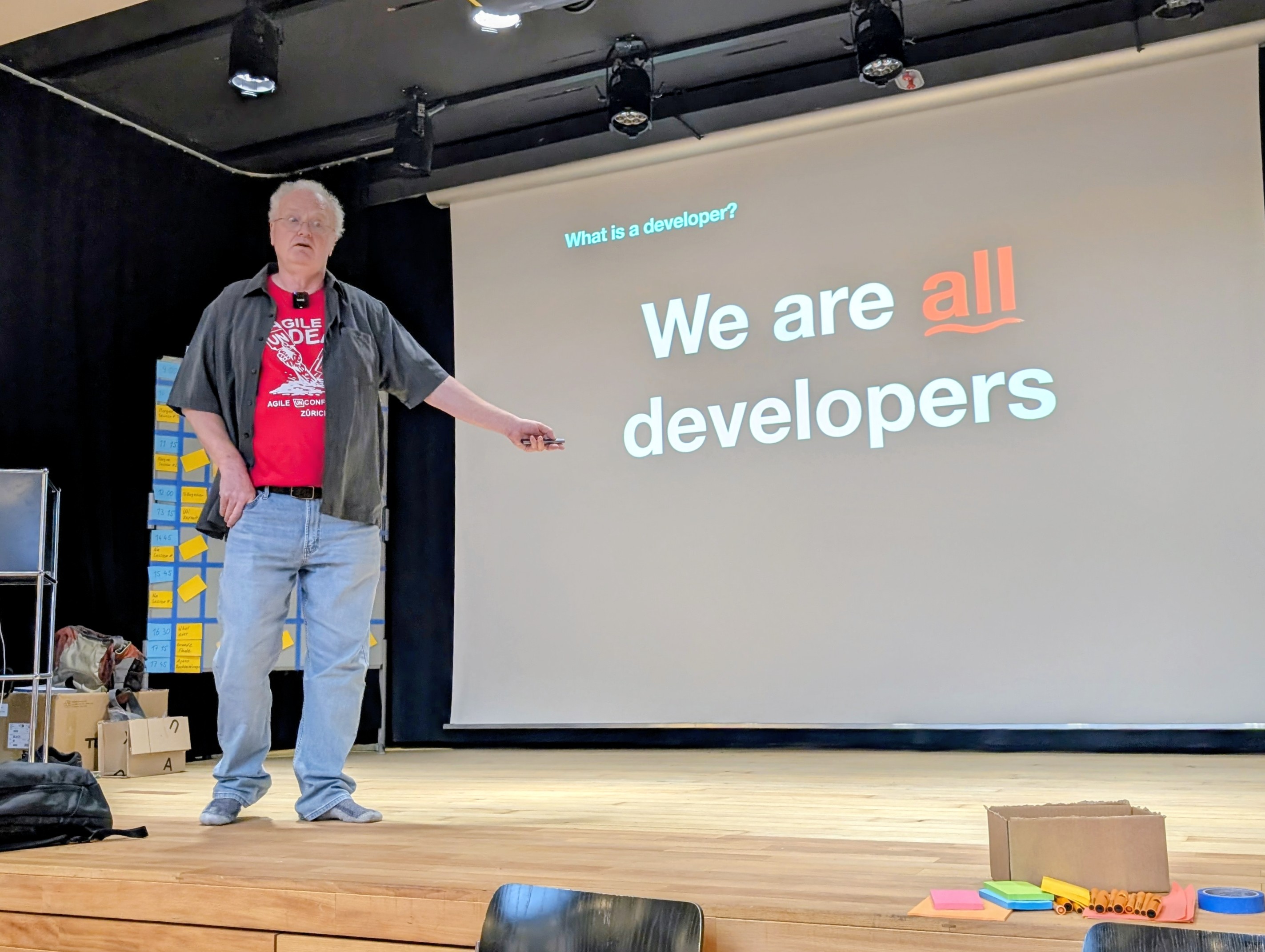
I attended an excellent hands-on Continuous Delivery workshop. Topics covered included: Docker environments Git repositories using Gogs Jenkins CI pipelines Gradle builds Continuous Delivery practices The workshop balanced practical exercises with discussions around: Continuous Integration Continuous Delivery Continuous Deployment Special thanks to CSS for providing facilities and refreshments.
Using Google Authenticator to protect sudo on Raspberry Pi
This article explains how to configure two-factor authentication for sudo on a Raspberry Pi using Google Authenticator. Example PAM configuration: auth required pam_google_authenticator.so user=root secret=/root/${USER}.google_authenticator After configuration: Enter your password Enter the verification code from your authenticator app Helpful references: How-To Geek Arch Linux Wiki
Philips Hue motion sensor: I like it, but not for the living room (yet?) @tweethue
I experimented with using a Philips Hue motion sensor in the living room. The setup mostly worked well: Lights dimmed automatically when watching TV Lights dimmed further during films Lights brightened again afterwards However, motion detection during viewing caused the lights to return to full brightness unexpectedly. Overall the motion sensor idea was promising, but still needed refinement for living room usage.
Why can't my @QNAP_nas play nicely with @CrashPlan?
A discussion of stability and compatibility issues between QNAP NAS devices and CrashPlan. The article explores backup reliability frustrations and asks why QNAP and CrashPlan struggle to work together reliably.
Setting up a Raspberry Pi is surprisingly easy
Setting up a Raspberry Pi turned out to be much easier than expected. The post walks through: Downloading Minibian Verifying checksums Extracting the image Writing the image to an SD card using dd Booting the Raspberry Pi Example commands: sha1sum 2015-11-12-jessie-minibian.tar.gz umount /dev/mmcblk0p2 dd bs=4M if=~/2015-11-12-jessie-minibian.img of=/dev/mmcblk0 sync Once completed the SD card can be inserted into the Raspberry Pi and booted.
Years ago I installed WhatsApp on my phone. When I opened it up for the first time, I was asked if I wanted to upload my entire contact list onto their servers. I was unsure if I should really do this, as the contact data is not mine to give away. There is no way I could choose which of the contacts I wanted to share with WhatsApp, and in the end decided I would rather just delete the application. ...
Guess whose back...
I am not sure what keeps drawing me back. I want to blog, start a little, then have no time for it, so give up again. So here is another attempt at setting up a @withknown server at home to see if I can keep going for more than 5 minutes. I already appear to be having some issues with dyndns, which does not appear to propagate my address out to everyone. But that is something to work on later.