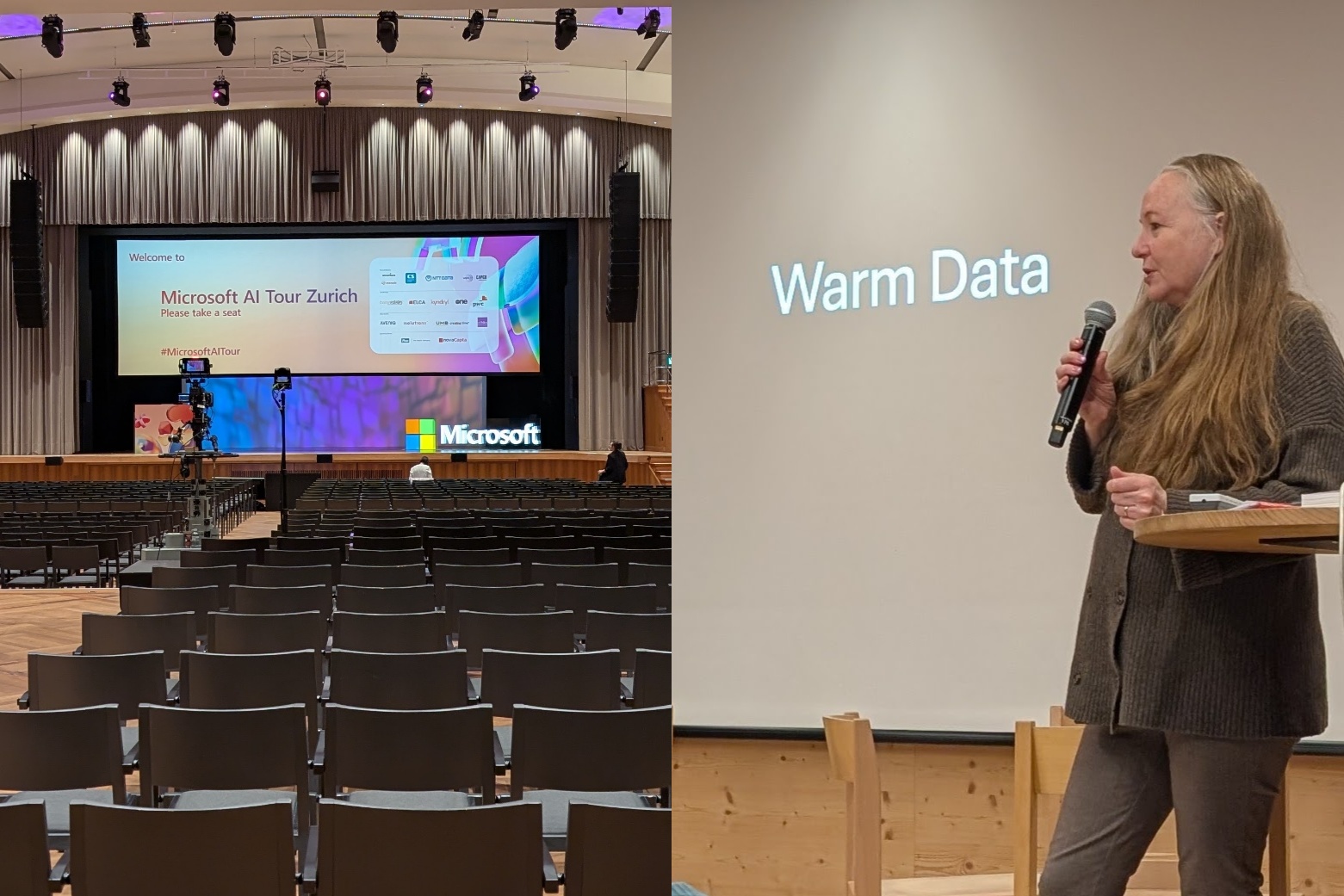
Microsoft AI Tour and Warm Data with Nora Bateson
A phenomenal day. Microsoft’s AI tour, learning about cutting edge technology and copilot agents. Balanced by an evening with Nora Bateson learning about human connection in a Warm Data lab.
A phenomenal day. Microsoft’s AI tour, learning about cutting edge technology and copilot agents. Balanced by an evening with Nora Bateson learning about human connection in a Warm Data lab.

This week has been heavy on presentations. I’ve been volunteering with the Online Scrum Master Summit, co-facilitating some of their sessions. On top of this I’ve been presenting at a couple of work Guild. My home setup has been improving over time as you can see in the image. Having multiple devices, I feel that I have found a way presenting that is working well and is worth sharing. ...
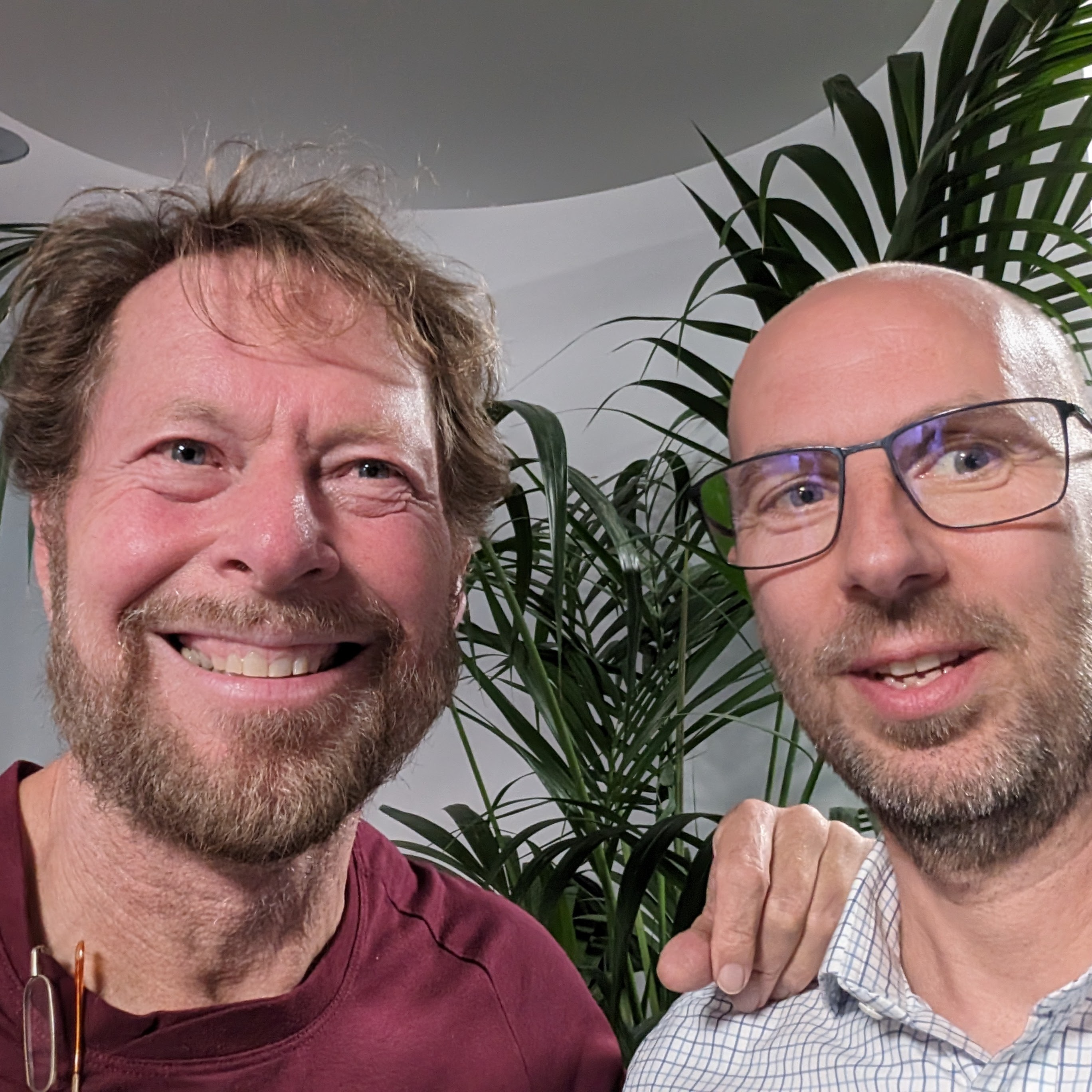
It’s not every day you meet one of your heroes!
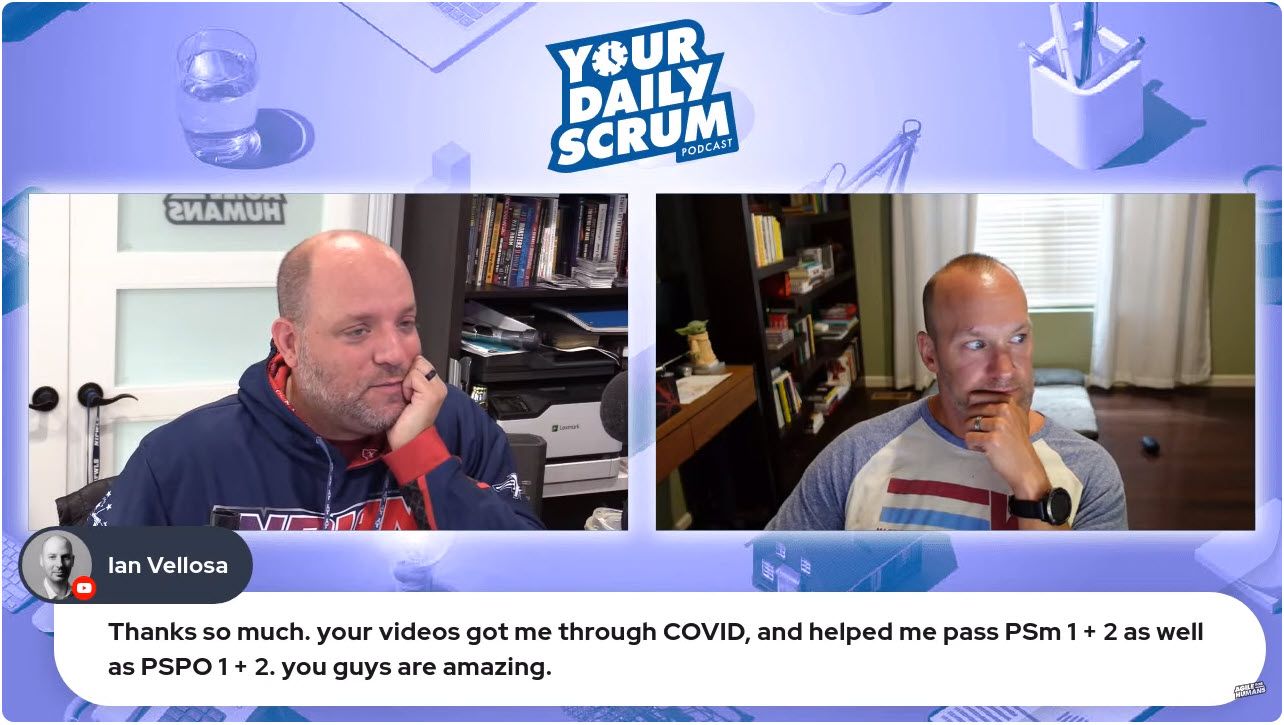
Always great to get a shout-out from the Agile For Humans guys, Ryan and Todd. Sad to hear that after almost 500 episodes Your Daily Scrum has run its course, it really was a great series becoming part of my evening routine. As mentioned in the video, I truly believe that this helped me through many scrum.org exams. I’m looking forward to all the new things you’ll be sharing!
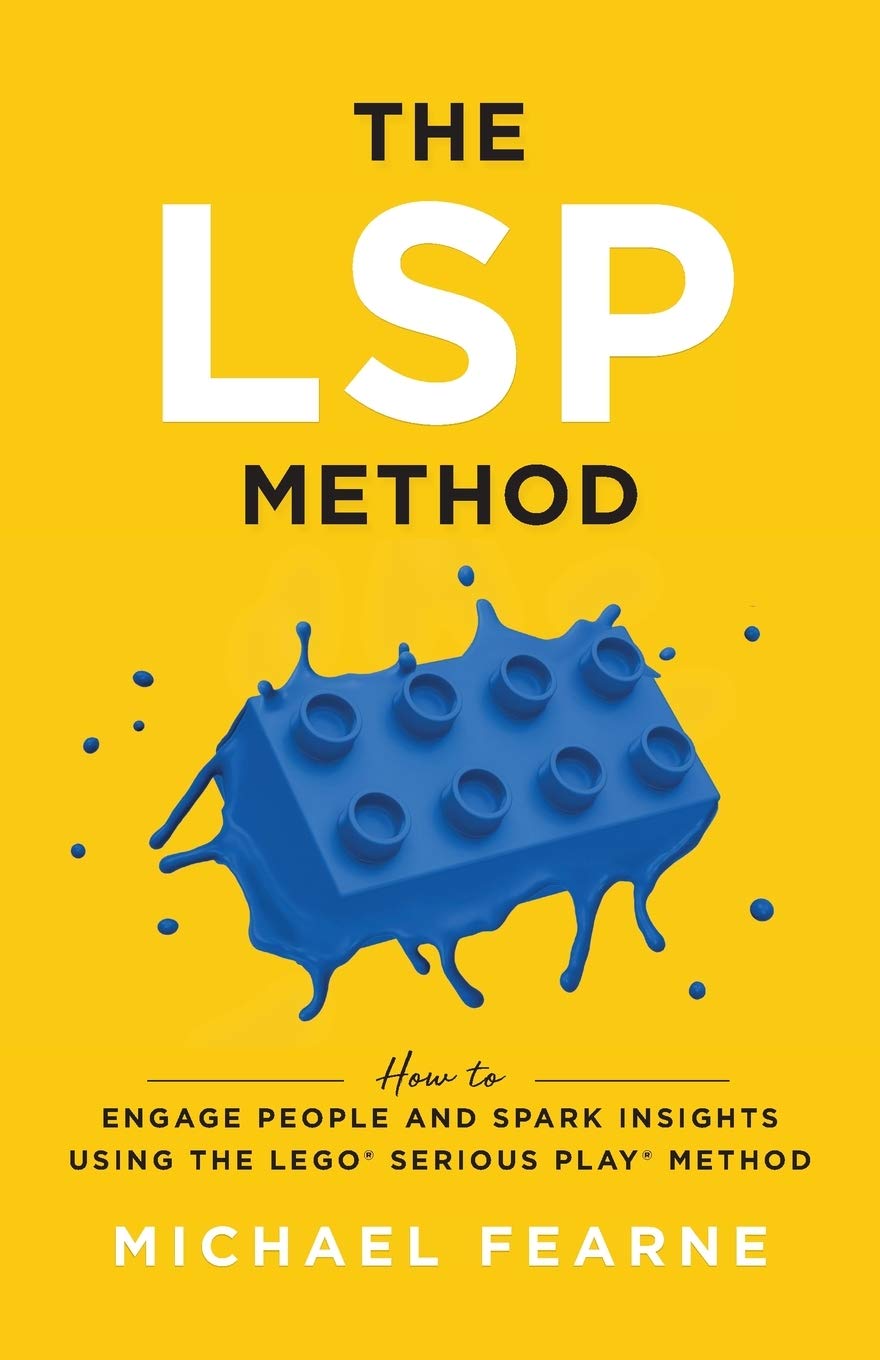
I have just finished reading The LSP method, using the LEGO Serious Play to facilitate meetings. From a young age LEGO had always been one of the main toys in my life and now with children, it is coming back again. The idea of the LEGO Serious Play method has been intriguing me for a while. I have seen local meetups I’ve wanted to attend, but as these were deep in COVID, the idea of being in close proximity to others and sharing LEGO concerned me a little. Then I found “The LSP method” by Michael Fearne in my kindle daily deals. ...
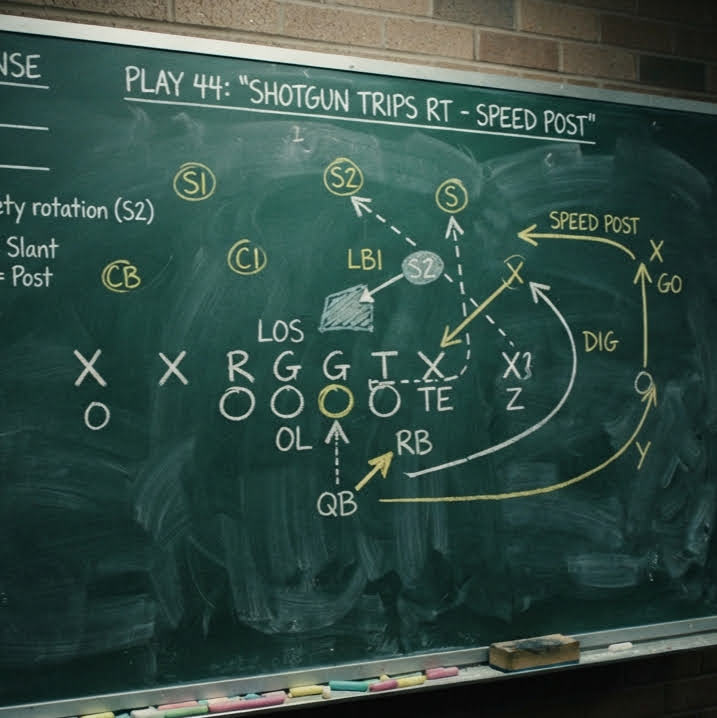
Hearing some confusion about the team (Scrum) events is almost a daily occurrence. Therefore, I wanted to summarise in my own words what events are defined in Scrum and the expectation in each of them. As a reminder there is always the scrum guide to fall back on. To begin with, Scrum has an assumption that teams have a Product that they are working on. Each Product has a Product Owner, who has a Product Goal, which defined why the product exists, what is the problem that its solving, and for whom? Work needed to achieve the Product Goal is collected into a Product Backlog, which is an ordered list of items that the Developer will work through to achieve the Product Goal. The order of this list is that in which the team should deliver work, to deliver the maximum value, and is defined by the Product Owner. ...

Scrum is a timeboxed framework. We have sprints of fixed length (i.e. two weeks) and during the Sprint Planning event the team decides what will be completed during this time. If additional work comes up it would ideally be put into the product backlog and pulled into a future sprint once prioritized by the product owner, and given the team’s capacity for this work. However, it is not uncommon that we have requests which cannot be delayed until future sprints (i.e. 3rd level/production support). I will describe an approach on how these can be dealt with below. ...
At 5pm on Friday afternoon my ISP provided fibre modem died. I went through the usual debugging steps - turn it off and on again - but it just lit up like a Christmas tree and was completely inactive. On the one hand it was a nice reminder that I should stop working and enjoy the weekend. But on the other, you don’t realise how dependent we are on Internet connectivity these days. Streaming music, video, skyping family in other countries, everything needs connectivity. Even my home media server has grown so reliant on hosted services, that I’m unable to Chromecast locally stored media to the TV without it phoning home! - That is a story for another time. ...
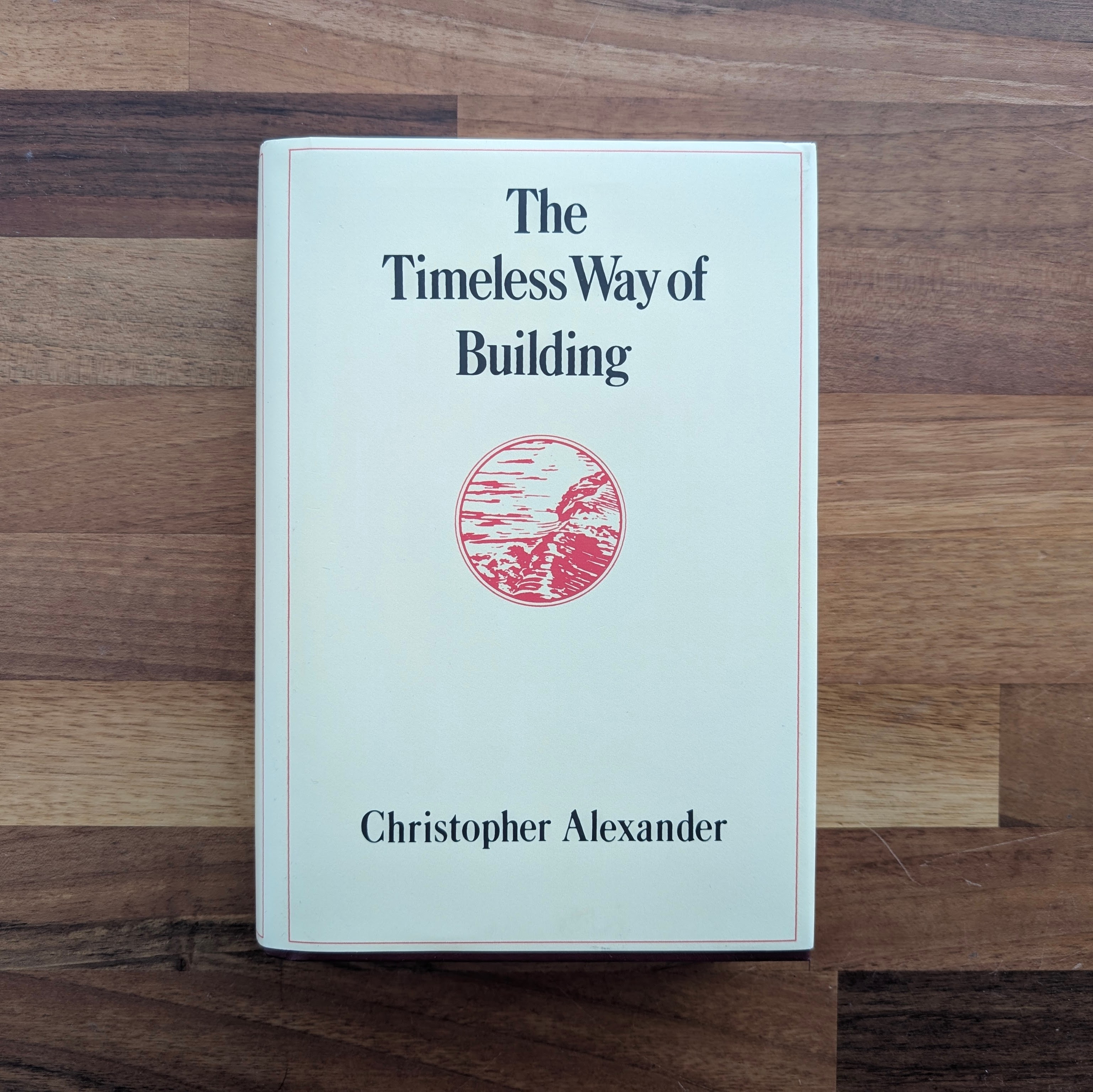
Christopher Alexander was born in Austria. As a toddler his family moved to the UK in 1938, where he grew up. He read Mathematics and Architecture at Cambridge, before going on to receive a Ph.D. in architecture from MIT, and moving to California taking a role as professor of architecture at Berkeley. Alexander’s first book, Notes on the Synthesis of Form was effectively a publication of his Ph.D. thesis and was said to be required reading for Computer Science researchers in the 60’s and 70’s. The basic premise of the book is that you can cluster forces into mutually entangled sets that provide the place where problem can be solved. ...
This evening I attended my first (virtual) Liberators Network event. These are the guys who created the Zombie Scrum Survival Guide. It was my first experience of using Liberating Structures and I really enjoyed it! This is definitely a better way of holding meetings. In the session we went through three different Liberating Structures: Drawing Together - as a warm-up Appreciative Interviews - the main course 15% Solutions - close With everything still being remote due to COVID this was held over Zoom, and for the first time I really got to appreciate the breakout rooms function. For each of the exercises small groups were automatically assigned to rooms, were we would go through the exercise for the predefined time, and then were brought back to the main room for a debrief and intro into the next session. ...